November 10, 2026
Pet Care Industry Trends & Strategies: Insights from Marketing Expert Fernando Camacho


With the pet care industry experiencing rapid growth, it can be easy to feel like you're being left behind.
According to the American Pet Products Association (APPA), 95 million U.S. households owned at least one pet in 2025. As pet ownership continues to grow, so do opportunities for pet care businesses—and the technology helping them meet evolving demand. The pet-tech market was valued at $15.6 billion in 2025 and is expected to grow from $19.1 billion in 2026 to $52.9 billion in 2035 (Global Market Insights). But growth also brings new challenges, from changing client expectations and evolving marketing strategies to staffing, communication, and day-to-day operations.
So, how can your pet businesses adapt while continuing to deliver the exceptional care your clients expect?
We sat down with experienced pet care industry professional and marketing expert Fernando “Fern” Camacho to get his take on the trends, challenges, and opportunities shaping the industry today. In this Q&A, we cover lessons learned, marketing strategies, client communication, business growth, and more. Whether you're just getting started or growing an established business, there's plenty of insight to dig your paws into.
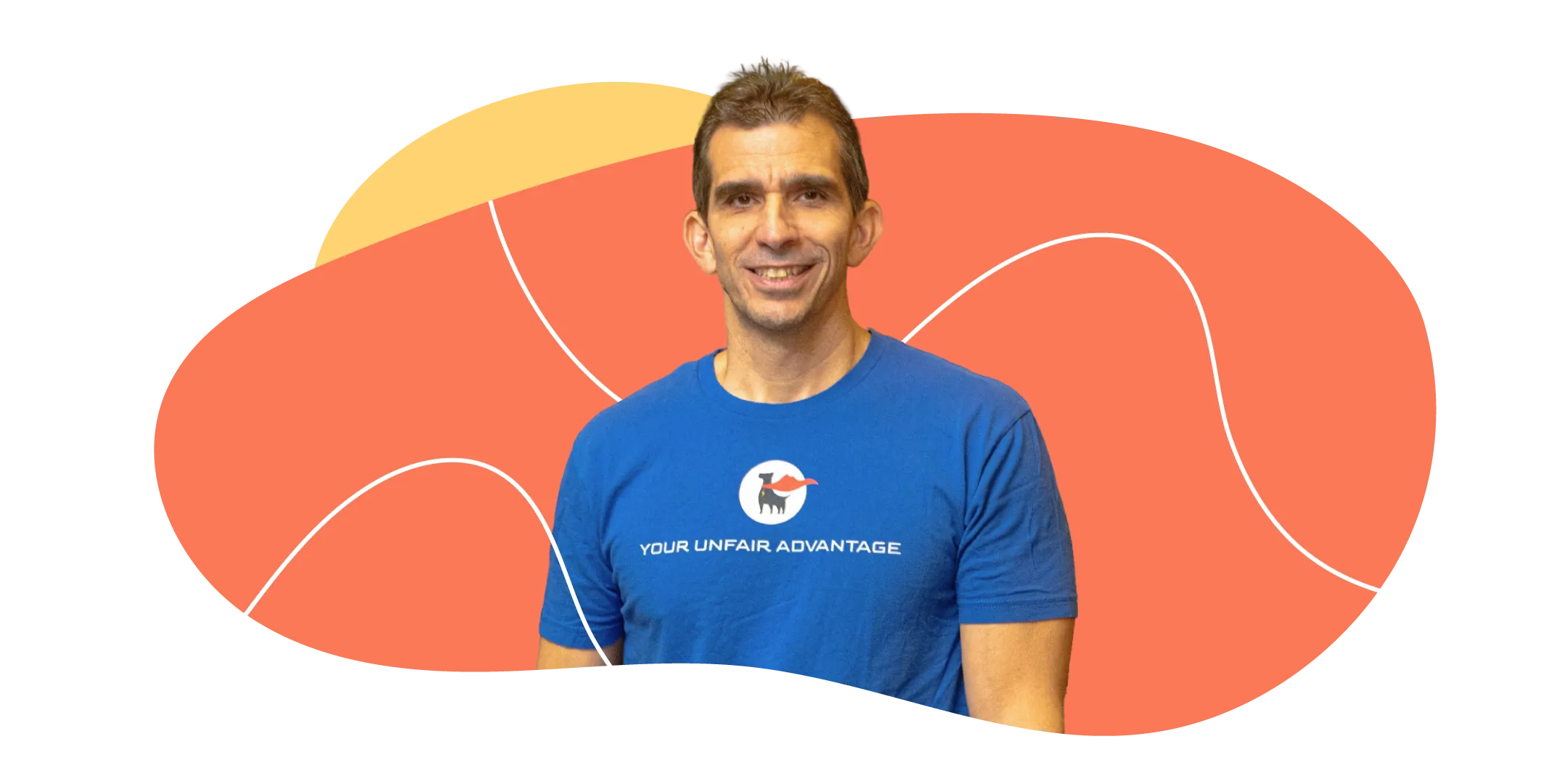
Fernando “Fern” Camacho, CEO of OverDog Digital
With years of experience helping pet businesses grow, Fern brings a practical, hands-on approach to marketing and business strategy. His background in pet care gives him a unique perspective on the challenges business owners face and the opportunities ahead.
Your Pet Care Business Questions Answered: Marketing, AI, Staffing & More
Just building a world-class pet resort, having great customer service, having great facilities, and having great services isn't enough to fill it. People will not just show up. You need to market to them, spread the word, and build a brand over time.
I think the obvious choice is AI. AI seems to be a very controversial topic. Some people love it, and some people absolutely refuse to use it.
I really believe AI is going to be integrated into every single piece of technology. The key thing is to use it smartly and use it responsibly, because it is an incredible tool that can greatly speed up the implementation of things, save you lots of time, and, in many ways, increase the output of the things that you're doing.
Having no marketing plan at all. Too many pet resorts just, at the last minute, think, "Oh my god, daycare is empty, we need to do something," or "Holidays are coming up, we should promote something." They do it without thinking of it. They just throw stuff on social media, and they have poor results.
The best marketing is planned ahead of time, so it's great to create a marketing calendar and create all the assets and things you need in advance so that you're much more likely to be successful.
Don't follow competitors. Don't constantly look and copy what everyone else is doing. The key to standing out in a crowded market is to be different, unique, create a signature experience, and do things in a way that no one else is doing.
Everyone does daycare, boarding, and training. That's great, but how can you put your unique spin on it? Nobody can replicate you, your unique personality, your unique vision. Create something that is different than everything else that's out there.
If your goal is to build a business that is here for the long haul, you need to do branding regularly. Branding is something that will build your audience over time, so it's not going to have an immediate return on investment, which is why a lot of people don't do it. They're impatient, but if you really want a business around to create something that's a legacy for a long time, you need to continually build your brand and create your audience into something that is bigger than the services you provide.
The single best way you can improve your marketing without spending any money on advertising is by focusing on taking amazing care of your existing customers. If you overdeliver to them, provide above-average service, and go above and beyond what your competitors do, they will be overjoyed by what you're providing, and then tell everybody about it.
For pet resorts, communication with the client is more important than, I think, just about any other business, because you don't get a chance to spend time with the human being who's paying the bills. You spend tons of time with the dogs, but they can't go back and tell the humans how much fun they're having, how great your staff is, and how much they can't live without what you do.
You really need to make sure you are going out of your way to be transparent and communicate the value of your services to the people in this equation. Too many people's customer interactions are 30 seconds when they hand over a leash. That cannot be it, or you will not make a good connection with your customers.
Everybody in this industry complains about staffing: how they can't get good staff, they can't keep them, they don't care, this generation just doesn't work like we did, and I really think it's kind of doing a disservice to your entire company.
I think owners have an obligation to take amazing care of their staff and understand that working with live animals is a very difficult job. You are assuming a young person, probably in their 20s, making just over minimum wage, should care about your business as much as you do, and I think that's unrealistic.
I think the best thing to do is to understand and have empathy for staff, and go out of your way to create a company culture that people want to work at.
The core of marketing itself hasn't really changed. Yes, the channels and the tools we have changed quite a bit and will continue to change, but the core of marketing a business, specifically a pet care business, is fundamentally the same.
You're just trying to communicate the value you provide to your potential customers so they understand the value and then have no problem paying you for those services. I always say if someone doesn't want to pay for what you do, they just don't understand the value yet. That's what marketing's job is: to explain the value and why it's worth whatever you want to charge.
The one lesson that I have hopefully learned the very hard way is the value of patience. Everybody wants things very quickly, especially when running a business. We see these other businesses, especially with social media and stuff, and it looks like everyone else is doing great. We don't realize the amount of work, time, and effort it takes for a business to be successful.
I think patience is probably the number one thing that will help all pet resort owners last long term: not looking at the last couple months, the last quarter. What are we building over the next 5 years? Having the foresight and the patience to do the different things now that will lead to and build something in the future. It's playing the long game.
Here's what separates the pet care businesses that scale from the ones that plateau: they stop managing day-to-day chaos and start building systems. That means marketing calendars instead of last-minute social posts. Staff development instead of constant turnover. Client communication that builds loyalty, not just transactions. And a brand that speaks for itself. None of this happens by accident. It happens when you have the right tools, the right mindset, and the right partner.
Learn more about Time To Pet
Our platform handles everything from booking to billing, client communication to daily care notes—all from one easy to use platform that your team will actually want to use. Built by people who've worked in pet care, supported by people who still do.
No setup fees. No migration fees. Up and running in as little as 3 hours. Start your 14-day free trial today.
All-in-one pet care software trusted by 5,000+ businesses worldwide.